Walking into a poker room down under, you quickly learn that folding is not losing – it is often the smartest play you make. Understanding poker ev folds helps you spot when a call drains your stack over time rather than building it. It is less about gut feeling and more about measuring expected value against the pot odds and your opponent’s range. For players here, where local rooms keep things straightforward, that maths matters just as much as reading a tell across the table.
The Interface and Local Feel of the Platform
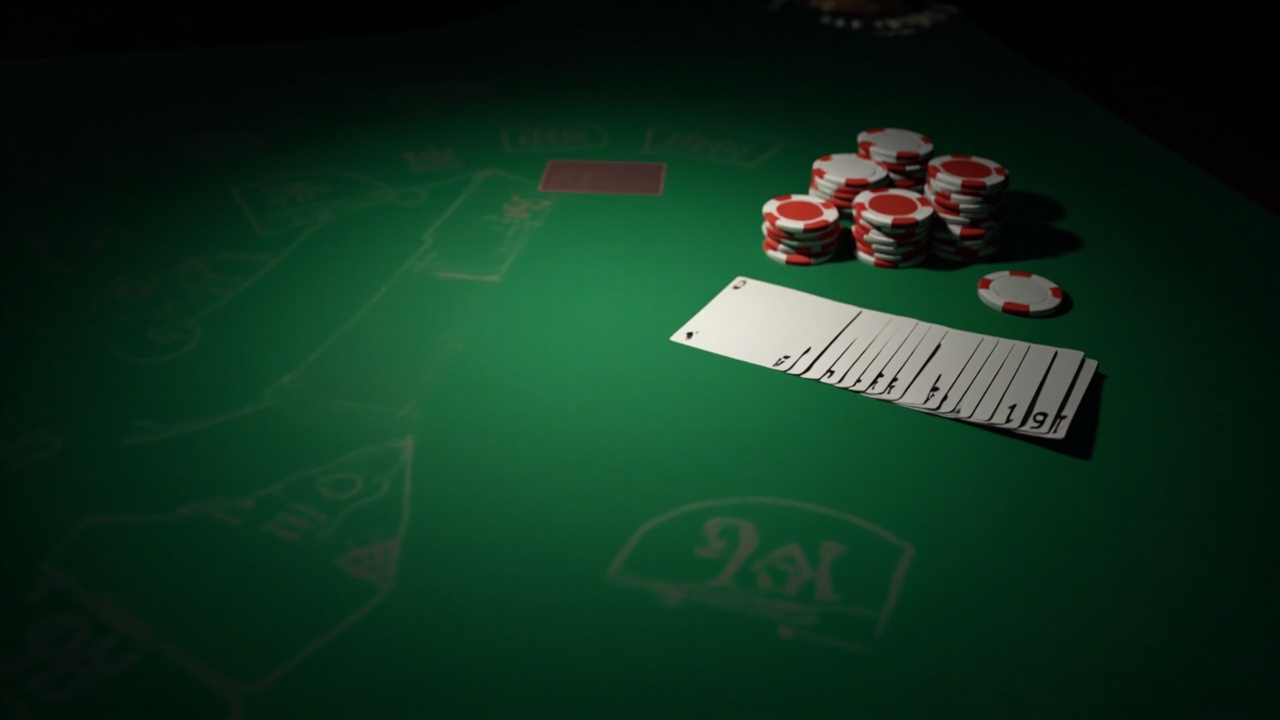
When you first load up poker ev folds on the local site, the visual identity feels built for Australian players rather than a translated template. The navigation sits where you expect it, with clear tabs for cash games, sit-and-gos, and the occasional tournament series. Language and currency are set to Australian dollars by default, so you are not fiddling with conversions before your first hand. I have seen LATAM operators try to force a single global layout across every market, and it usually ends up feeling clunky for regional users who just want the basics to work without fuss. Here, the structure respects how a local player actually moves through a session, from lobby to table to cash-out. You can even check out how similar visual pacing works in a big bass splash demo before you settle in for a longer grind.
The search function helps you filter by stake, format, and availability without digging through irrelevant tables. Registration asks for the usual details, and verification steps are clear about what documents you need, which keeps things honest for adults 18+ playing within local rules. Mobile play mirrors the desktop layout closely, so switching between devices does not throw off your read on position or pot size. Support is reachable through live chat and email, with response times that feel tuned for Australian hours rather than a generic global queue. Loyalty points accrue as you play, and the rewards ladder is spelled out in plain terms, so you know what you are working toward without guessing.
How EV Folds Work in Real Sessions
A fold earns its place when the maths shows a call would bleed value over time, and that is exactly where poker ev folds becomes a practical tool instead of a theoretical one. Picture a mid-position hand where the action folds to you, you raise, and a tight opponent 3-bets from the button. If the pot odds and your read on their range suggest you are behind more often than not, folding pre-flop can be the higher EV line, even when it feels tempting to call. Annika Evans, Senior Market Analyst, Pacific Player Protection Institute, notes that players who track fold equity against real ranges tend to make cleaner decisions than those relying on feel alone, especially when stakes climb. The trick is to weigh your hand’s equity against the likelihood your opponent holds a stronger range, then compare that to the cost of calling versus the upside of preserving your stack.
In practice, you start by estimating the pot odds, then layer in your read on the opponent’s tendency to bluff or value-bet thin. If the numbers show a call is marginal at best and your stack is exposed, folding keeps you in the game for a spot where the EV actually flips in your favour. Eliza Roberts, Lead Gaming Analyst, Great Southern Betting Review, points out that beginners often overcall because they anchor on their own hand strength rather than the opponent’s range, which is where a disciplined fold habit pays off. The platform’s hand history tools let you revisit those spots after the session, so you can see where a fold saved you and where a call was justified. That feedback loop matters more than any single hand, because it trains you to recognise patterns instead of chasing results. big bass splash demo
A Beginner’s Walkthrough for Reading EV Folds
If you are new to this, think of EV folds as a simple checklist you run through before you commit chips. Start by noting your position and the action in front of you, then estimate what hands your opponent is likely to hold based on their betting pattern. Next, calculate the pot odds and compare them to your hand’s equity against that range, keeping it rough if you are still building the habit. If the numbers suggest you are likely behind and the call costs more than the potential return, mark it as a fold candidate. Finally, check whether folding preserves your stack for a later spot where you have a clearer edge, and commit to the line even if it feels quiet in the moment.
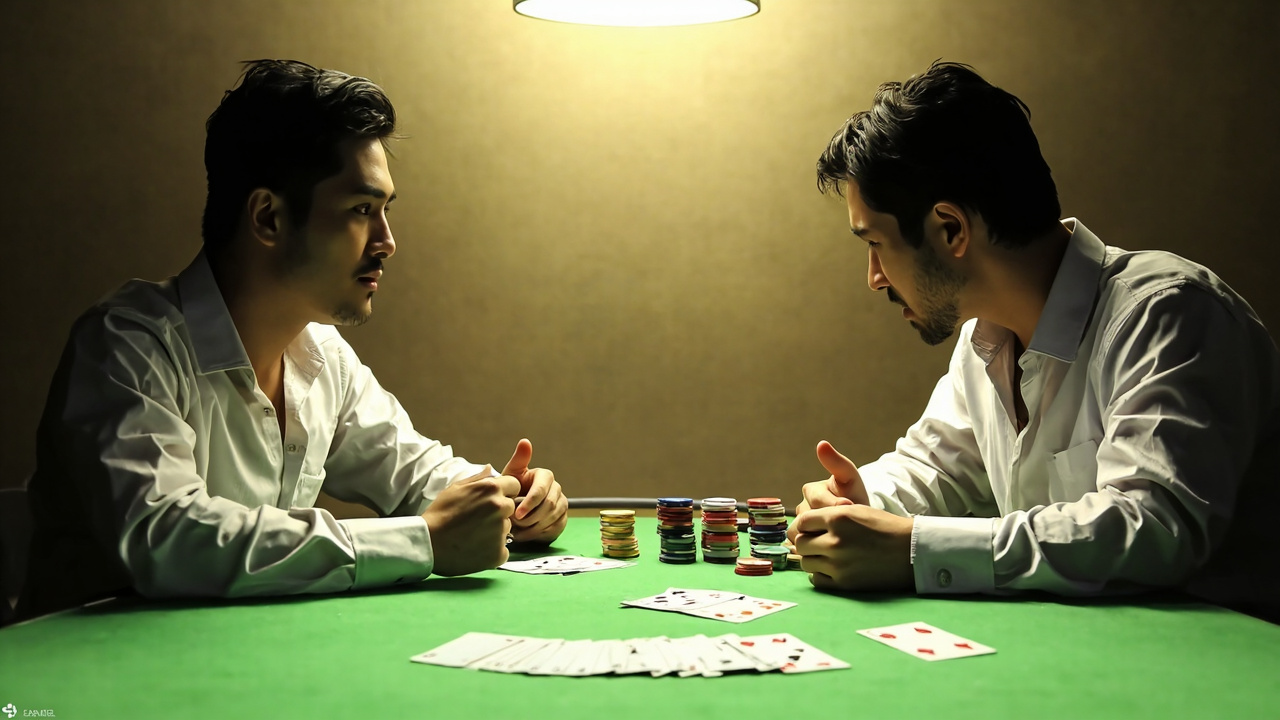
- Observe position and action – note who has shown strength and where you sit relative to the aggressor.
- Estimate the opponent’s range – narrow it down to hands that make sense given their bet size and timing.
- Compare pot odds to your equity – decide whether the call is mathematically justified or marginal at best.
- Weigh stack preservation – consider whether folding keeps you in play for a higher EV opportunity later.
- Commit and log the hand – fold without second-guessing, then review the spot in your hand history after the session.
Wrapping Up the Session
Poker ev folds is not about playing scared; it is about playing the maths and keeping your decisions consistent over a long run. When the interface, localisation, and tools all line up with how you actually think at the table, folding becomes a clear line rather than a guess. For players in regional New South Wales and across the country, that kind of practical setup makes the difference between a session that drifts and one that builds skill over time.